


Introduction
Hemodialysis is a critical medical procedure that plays a crucial role in the treatment of kidney disease. It is a lifeline for individuals whose kidneys are no longer able to effectively filter waste products and excess fluids from their blood. In this article, we will explore what hemodialysis is, how it works, and the impact it has on the lives of those who require it.
What is Hemodialysis?
Hemodialysis, often referred to simply as dialysis, is a medical treatment that replicates the functions of the kidneys when they are no longer able to perform their natural role effectively. The kidneys are responsible for filtering waste products and excess fluids from the blood, which are then excreted as urine. When kidney function deteriorates, waste products and fluids can accumulate in the body, leading to severe health issues.
Hemodialysis involves using a machine called a dialyzer, which acts as an artificial kidney. This machine is used to filter the patient’s blood, removing waste products, excess salt, and water, thus helping to maintain a proper balance of electrolytes in the body. The cleansed blood is then returned to the patient’s bloodstream.
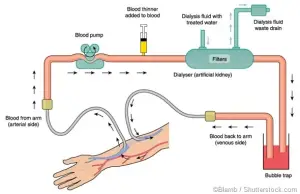
How Does Hemodialysis Work?
Hemodialysis is typically performed at a dialysis center or in some cases, at home with the appropriate equipment and training. The process involves several key components:
- Vascular Access: Before each hemodialysis session, a vascular access site must be established. This can be done by creating a fistula, graft, or inserting a catheter into a large vein, usually in the arm. This access point allows blood to be safely withdrawn and returned during the dialysis process.
- Blood Circulation: The patient’s blood is pumped from their body through the dialyzer. Inside the dialyzer, the blood flows through a series of specialized filters and membranes that facilitate the removal of waste products and excess fluids.
- Dialysate Solution: Simultaneously, a solution known as dialysate, which contains a specific composition of electrolytes and chemicals, is circulated on the other side of the dialyzer’s membranes. This solution helps to create the necessary concentration gradient for waste products and fluids to move from the blood into the dialysate.
- Cleansing and Return: As the blood passes through the dialyzer, it is cleansed of waste products and excess fluids. The purified blood is then returned to the patient’s body through the vascular access site.
- Duration and Frequency: Hemodialysis sessions typically last for several hours and are performed multiple times a week. The exact duration and frequency depend on the individual patient’s needs and the severity of their kidney disease.
The Impact of Hemodialysis
Hemodialysis is a lifesaving treatment for individuals with end-stage renal disease (ESRD) or advanced chronic kidney disease. It helps to:
- Remove Waste Products: Hemodialysis prevents the buildup of waste products in the bloodstream, which can lead to symptoms like nausea, fatigue, and confusion.
- Manage Fluid Balance: By removing excess fluids from the body, hemodialysis helps prevent complications like fluid overload, high blood pressure, and swelling.
- Maintain Electrolyte Balance: The procedure ensures that essential electrolytes, such as sodium and potassium, remain within safe levels in the body.
Enhance Quality of Life: Hemodialysis can significantly improve a patient’s quality of life, allowing them to continue living a relatively normal life despite kidney disease.
Conclusion
Hemodialysis is a vital medical procedure that serves as a lifeline for individuals suffering from kidney disease. By replicating the kidney’s natural filtration process, it helps maintain the balance of essential components in the blood, allowing patients to lead healthier, more fulfilling lives. While hemodialysis is a demanding and time-consuming treatment, its benefits cannot be understated, offering hope and stability to countless individuals affected by kidney disease.
